Product Leadership ·
The UX Misconceptions Costing You Time, Trust, and Users
Beautiful designs that collect dust, research that gets ignored, and insights parked in a Phase 2 that never comes. The misconceptions behind them, and five practical steps to clear them up.
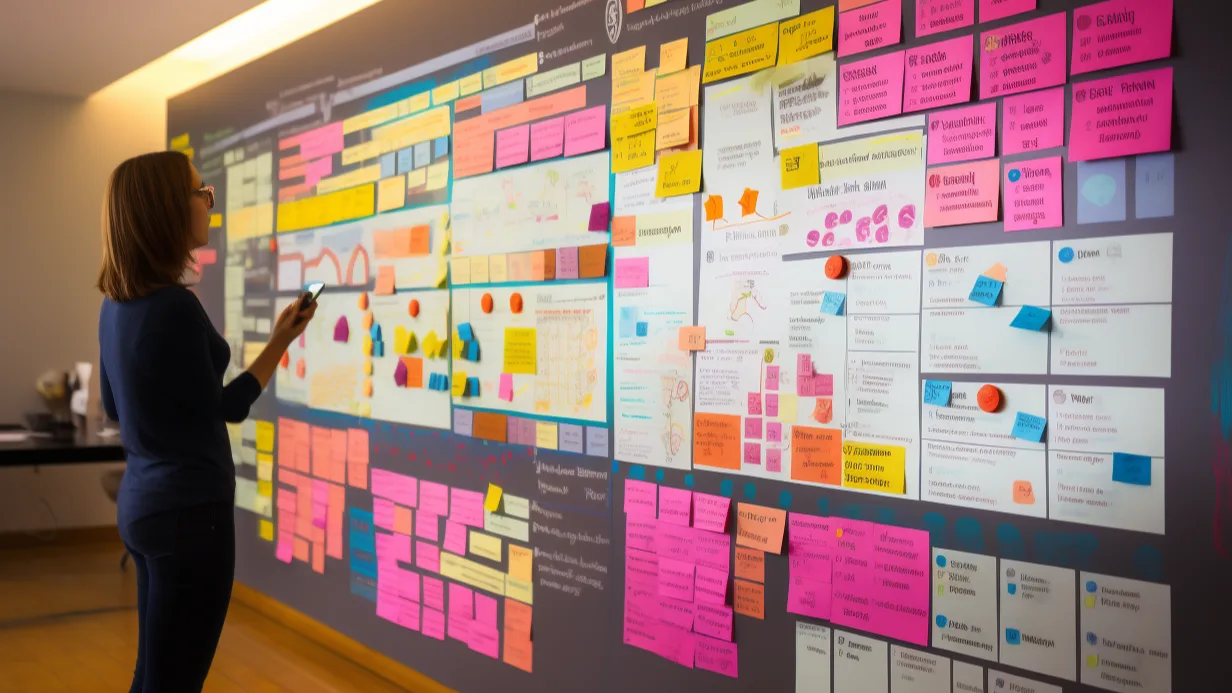
Last time, we discussed why UX isn't just "nice to have", it's essential for making products people want to use. We laid out the business case: better usability, fewer frustrations, and happier users. Simple enough, right?
And yet, here we are. For all the talk about "user-centered design," UX teams still find themselves fighting uphill battles to get their work into the hands of real users. Why? Somewhere along the way, misconceptions about UX sneak in, cloud priorities, and slow teams down.
The results are familiar: beautiful designs that collect dust, research that gets ignored, and UX insights that end up as backlog footnotes labeled "Phase 2", a phase everyone knows will never happen.
This isn't about blaming others. It's about understanding what's broken and fixing it. When product owners and UX teams are out of sync, not just the designers lose, the users, the business, and ultimately, the product suffer.
This week, we're tackling the myths that prevent collaboration and sharing some practical ideas for aligning UX and product goals. If we're serious about building effective products, the first thing to fix is how we think about UX.

Why UX Misconceptions Hurt Product Teams
Why UX Misconceptions Hurt Product Teams
In the tech world, misconceptions about UX are as common as overhyped startups. Product Owners who sideline UX as mere window dressing miss the plot, and the profits. Ignoring the depth of UX is like launching a rocket without checking the fuel; you're not going far.
Here's the hard truth: When UX is misunderstood, products falter. Misalignment leads to rework, wasted resources, and user dissatisfaction. But when Product Owners grasp the full spectrum of UX, teams operate like a well-oiled machine, delivering products that users don't just use, they love.
So, what's a Product Owner to do? Here are three key takeaways to get UX right:
- Treat UX Research as Your Compass, not a Checkbox. You're missing the point if you only reference UX research after your roadmap is set. Use insights from UX research to guide decisions early, validate assumptions, prioritize real user needs, and avoid costly rework later.
- Collaborate early and often with UX Teams. Include UX in sprint planning and roadmap discussions from day one, not halfway through development. Their input will save you time by catching usability issues before they become expensive fixes.
- Measure UX Outcomes Alongside Business MetricsGood UX isn't just about "feeling nice", it's measurable. Task completion rates, user retention, and drop-off points all tell a story. Align these metrics with business goals to demonstrate the value of UX and make it a team priority.
The stakes are high: Get UX wrong, and you're navigating with a broken compass. Get it right, and you're charting a course to success, products that users love, teams that align, and outcomes that matter.
How Misunderstanding UX Costs You More Than You Think
How Misunderstanding UX Costs You More Than You Think
Let's be honest: Everyone loses when UX teams and Product Owners aren't aligned. Teams get bogged down in misunderstandings, timelines slip, and the user, the person we're all supposedly building for, gets forgotten. So, what's behind this friction? Misconceptions.
First, the myth that UX is just about visuals. It's not. Good UX solves problems. It removes friction, creates flow, and makes the product work so well that the user forgets they're using it. Pretty screens don't matter if the user can't get what they need. Yet, too many teams still underestimate this.
Then, there's the idea that UX slows things down. Slows down what, exactly? Bad decisions? UX research isn't some nice-to-have delay tactic, it's a shortcut to getting it right the first time. Ignore it, and you'll pay for it later when half your roadmap gets eaten by rework.
**And finally, the belief that "we already know the user, so we don't need research."**Knowing about your users is not the same as understanding them. Real research surfaces insights you didn't even know you needed, things that change the course of your product for the better. It's not about what you think users want but what they do.
Here's the bottom line: Misconceptions about UX cost you time, trust, and potential great products. Fixing this starts with understanding that UX isn't a luxury, it's how you make products that users love.
Bonus Resource: Excerpts from "Don't Make Me Think" by Steve Krug
[
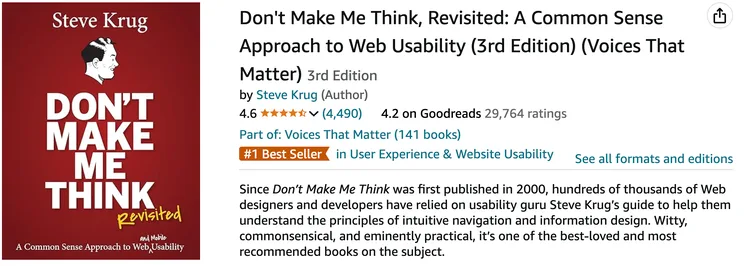
Stop overcomplicating UX testing. After all, you can only fix one or two things a month. Steve does a great job of depicting a grassroots approach.
If you want to understand usability in its simplest, most impactful form, Steve Krug's "Don't Make Me Think" is the book to start with. Here are a few excerpts to challenge how you think about UX:
- "If something requires a large investment of time, or looks like it will, it's less likely to be used."
- "Your primary role is to make things self-evident, or at least self-explanatory."
- "Users don't read, they scan."
- "Don't design for the designers. Design for the users."
Key Takeaway:
UX isn't about creating what looks good to the team, it's about solving the user's problem as efficiently as possible.
5 Practical Steps to Clear Up UX Misconceptions
5 Practical Steps to Clear Up UX Misconceptions
Product Owners don't need to become UX experts, but here's the thing: you do need to know enough to make it work. If you're serious about getting the most out of your UX team, here are five practical steps you can take right now to bridge the gap and stop the myths in their tracks:
- **Start With the Problem, **Not the Solution Before you start dictating features or "fixes," ask your UX team: What's the real user problem we're solving here? Aligning on the "why" ensures the team isn't chasing shiny objects but focusing on what truly matters.
- Bring UX to the Table EarlyIf UX is being looped in halfway through the sprint, you're already too late. Include UX designers and researchers in roadmap planning, sprint kickoffs, and backlog grooming. The earlier the collaboration, the fewer the surprises.
- **Make Research Findings Non-Negotiable **Push your UX team to surface research insights regularly and make them a part of your decision-making process. If you prioritize features without user data, you're gambling with the product's success. Don't guess, validate.
- **Stop Treating UX **as "Phase 2". Nothing says **"this doesn't matter,"**like punting critical UX improvements to "Phase 2." If you know it will help the user and improve the product, prioritize it. Treat UX enhancements with the same weight as any other critical feature.
- **Measure UX Like You Measure Product Success. Just **as you wouldn't ignore business metrics like revenue or adoption, you shouldn't overlook usability metrics. Track things like task completion rates, drop-off points, and user satisfaction. Good UX isn't just nice; it's measurable.
Final Word
Great UX doesn't happen by accident, and it doesn't happen in isolation. By adopting these habits, you'll build more potent products and create a stronger, more collaborative team.
Which of these steps could your team start with today?
Let's talk about it!
First published on LinkedIn in my newsletter, Why UX Is Critical for Product. Read and comment on the original.